
Blog
February 3, 2026•8 min read 

The Work That Compounds

Aryan Techie
The Work That Compounds
I just finished reading "Show Your Work!" by Austin Kleon, and it did something strange: it didn't change my mind about anything. Instead, it gave me language for instincts I'd been following blindly. I was already writing blogs. Building things like Ashes, Monkeybar, and Argon and putting them out there. Sharing half-formed thoughts because it felt like the right way to think and work. The book just gave structure to that instinct`. It reassured me that putting unfinished thoughts out there, learning in public, and letting work compound over time isn't a distraction from "real work." It IS the work. But there was one chapter that hit differently. One idea that didn't just validate what I was doing—it sharpened it completely.
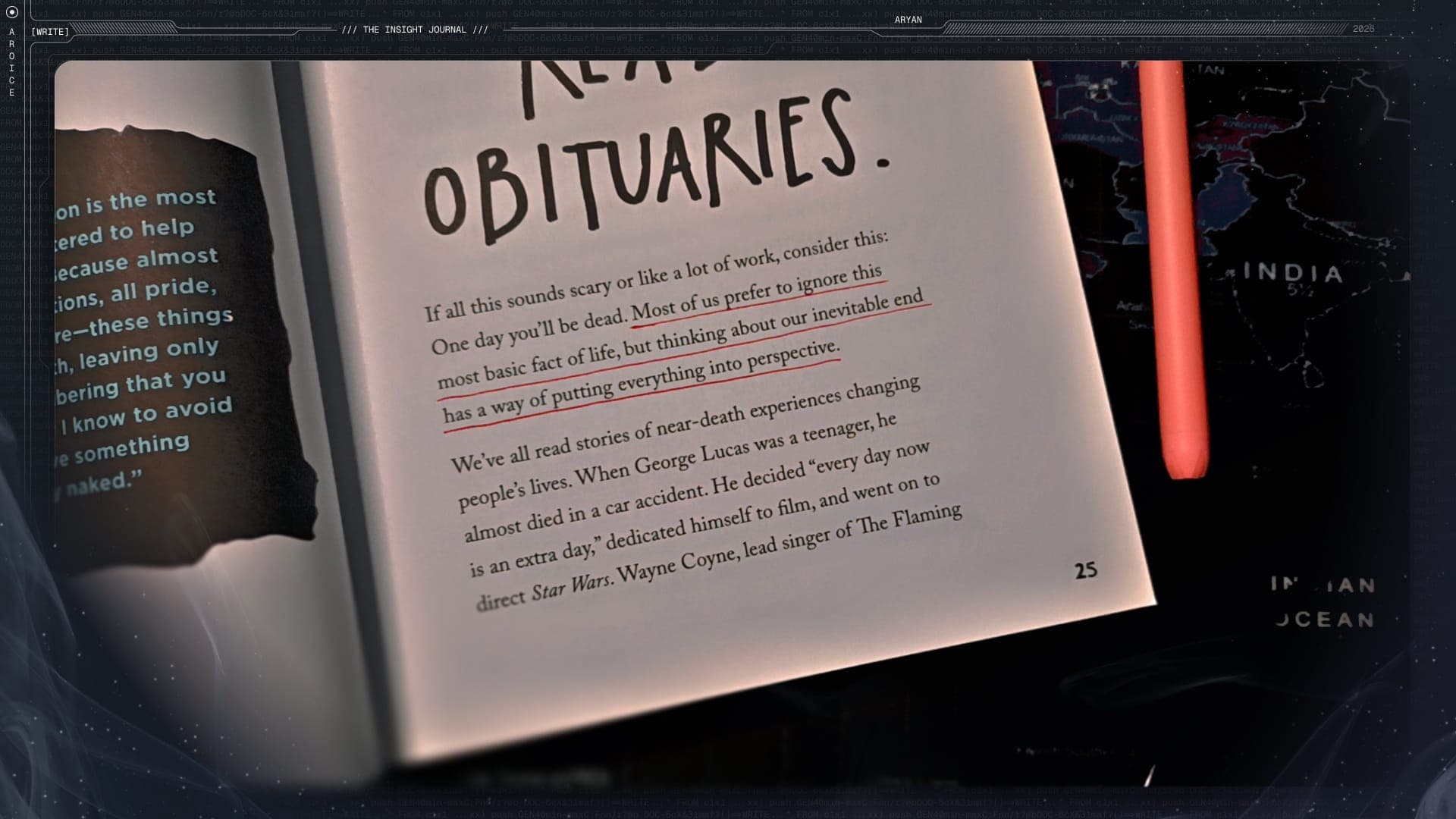
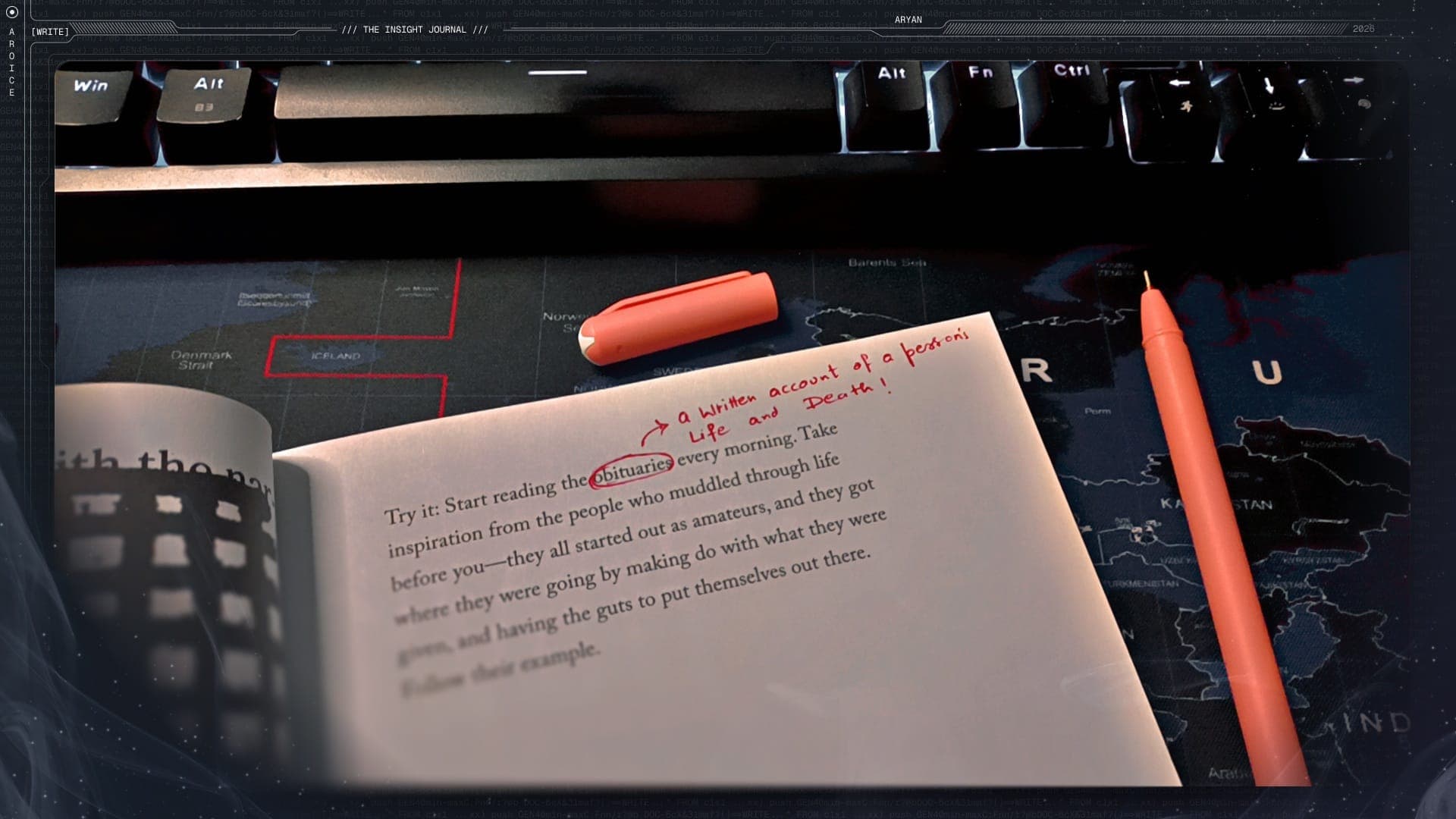
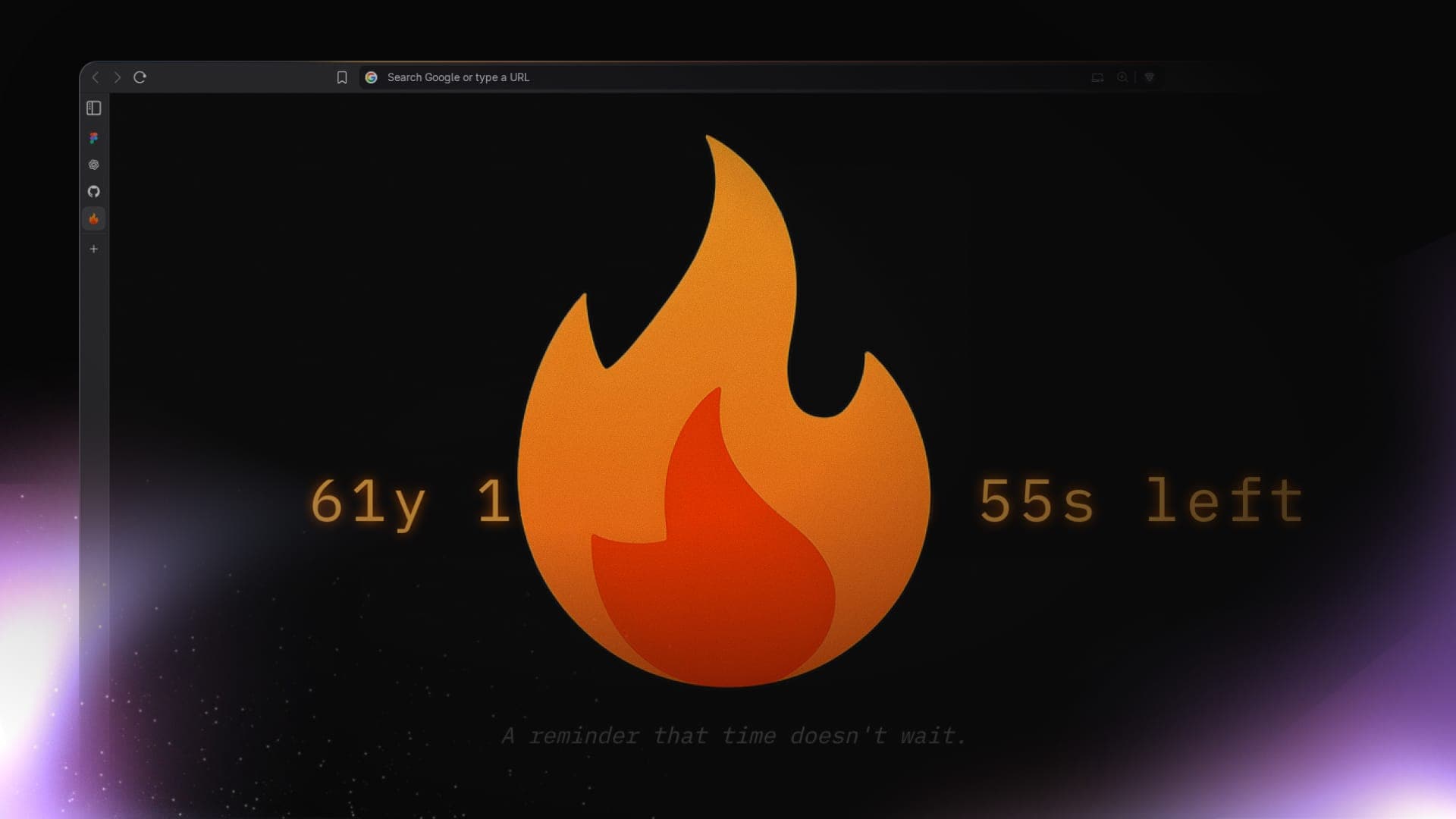
Start reading obituaries every morning and take inspiration - aryantechie
Most people share the finished thing. The polished project. The final result. They show the painting on the gallery wall, not the studio where it was made. The launched app, not the messy code iterations that got it there. The published post, not the notes and drafts and dead-end thoughts that led to it. I'd been pulled toward the opposite—documenting how I think and build, not just shipping outcomes. But I didn't fully trust it until I read this chapter. Kleon makes the case that your real leverage isn't a single product. It's your process—the systems, mental models, questions, and methods that show up across everything you make.
"Your leverage isn't what you build. It's the way you build it. The patterns you notice. The mistakes you make and how you fix them. That's what compounds."
And once I internalized that, everything shifted. My notes stopped feeling like noise. My drafts stopped feeling like failures. My half-baked ideas stopped feeling like things to hide. They became first-class outputs. Key Realizations:
  • Products are point-in-time. Process compounds.
  • Your systems have more value than your outcomes
  • Documentation isn't overhead—it's the actual work
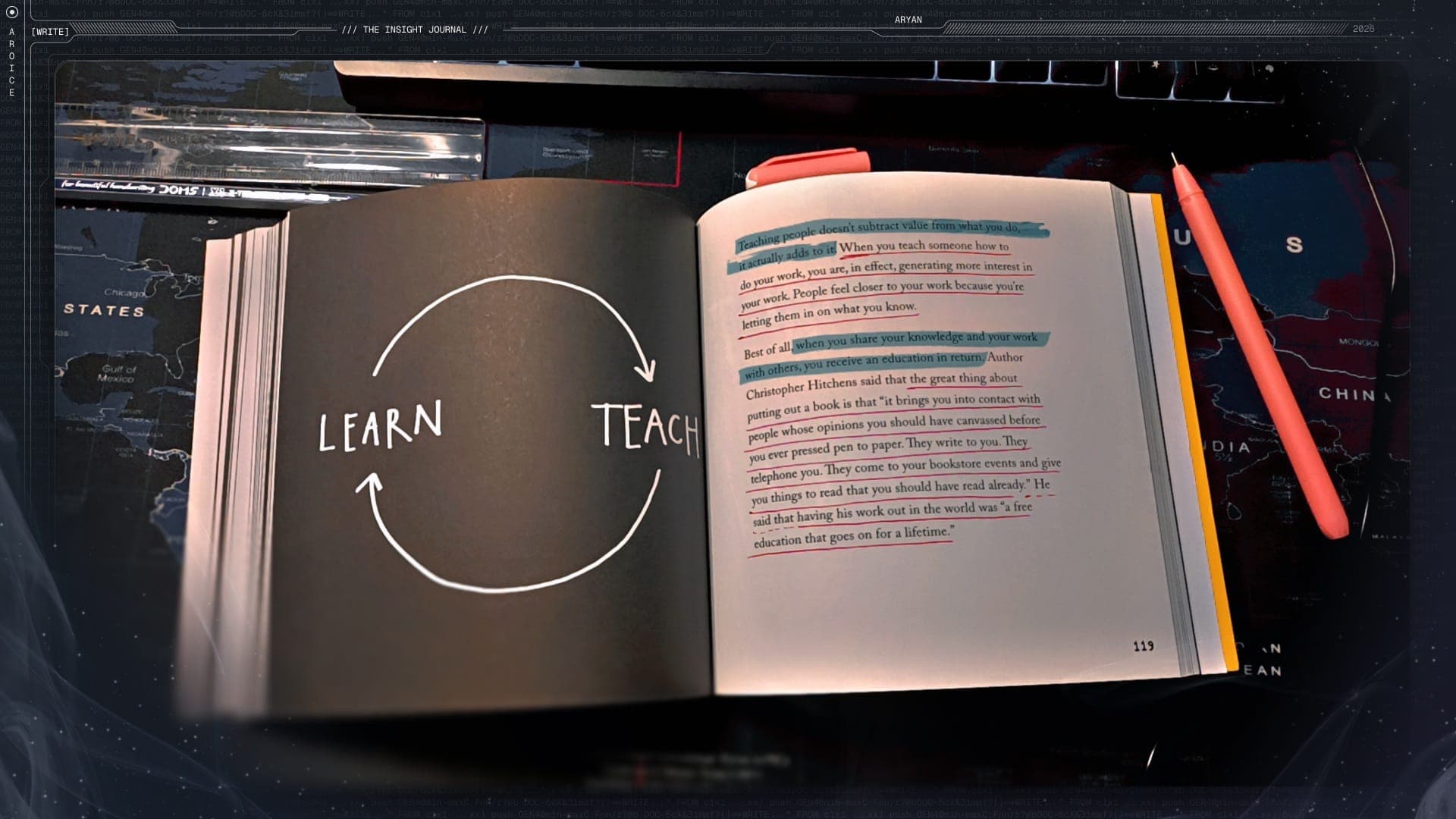
  • Teaching what you learn helps you think clearly
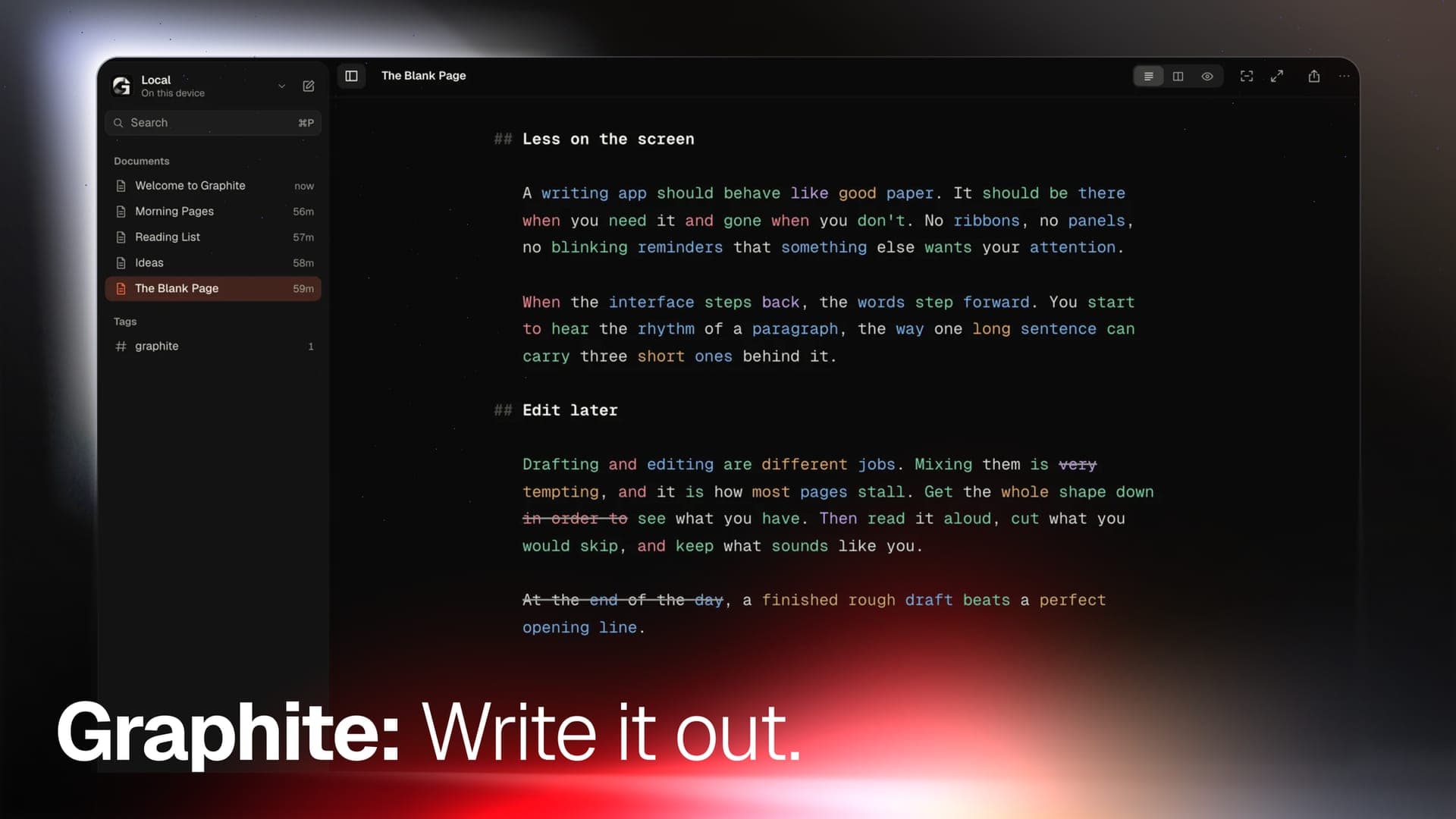
Teaching what you know stops feeling like performance when you realize it's just documentation.
Learn and teach cycle - teaching others what you know - aryantechie
I'm not trying to position myself as an expert. I'm just keeping a public notebook of what I'm learning, what's working, what isn't. Sometimes that's code. Sometimes it's philosophy. Sometimes it's the intersection of both. When I built Ashes, the work wasn't just the Chrome extension. It was: The Real Value:
  • Why I wanted a mortality reminder in every new tab
  • The design decisions I made and why
  • The features I cut and why they didn't work
  • What I learned about user behavior from building it
All of that is process. All of that is shareable. All of that has value independent of whether Ashes becomes "successful." The product might fail. The process lessons never do. Here's what I was afraid of before reading this book: I was scared of being a remix channel. I didn't want to just summarize what others said. I didn't want to be a curator with nothing original to add. I wanted my work to feel earned, not just aggregated.
Reading obituaries - a reminder of mortality - aryantechie
The trap was thinking originality means isolation. That if I'm influenced by others, if I reference their ideas, if I build on existing concepts—then I'm not doing "real" creative work. But the book helped me see that contribution doesn't mean dilution. There's a concept Kleon introduces called "scenius"—the idea that creativity isn't about lone geniuses, it's about communities of people building on each other's ideas. No one creates in a vacuum. Every idea is a remix of influences, experiences, and conversations.
"What matters isn't being first or completely novel. What matters is bringing your lived perspective and making it easier for others to build on what you learned."
What Actually Matters:
  • Bringing your lived perspective
  • Sharing your systems and failures
  • Adding signal to the conversation
  • Making it easier for others to build on what you learned
When I stopped chasing "genius" moments and focused on being a clear node in the network, the pressure dropped. And the work got better. Reading this book didn't change my direction. It made me double down with more clarity. Before: I was sharing work inconsistently, sometimes holding back until things felt "ready." Now: I treat every output—notes, drafts, works-in-progress—as legitimate things worth sharing. Not to build an audience, but to think clearly and help others learn alongside me. Before: I saw each project as standalone. Ashes is one thing, Monkeybar is another, this blog is separate. Now: I see them all as part of one compounding body of work. Each project feeds the next. Each blog post is material for future projects. Everything connects if you let it. Before: I worried about looking stupid or being wrong in public. Now: I remember Steve Jobs' quote that Kleon includes in the book:
"Remembering that you are going to die is the best way I know to avoid the trap of thinking you have something to lose. You are already naked."
You're already naked. You have nothing to lose. So why not share what you're learning? Why not document the process? Why not help the next person who's trying to figure out what you just figured out? Here's what I'm realizing about showing your work: If I only share finished projects, each one lives and dies on its own merits. It either succeeds or fails, and then it's over.
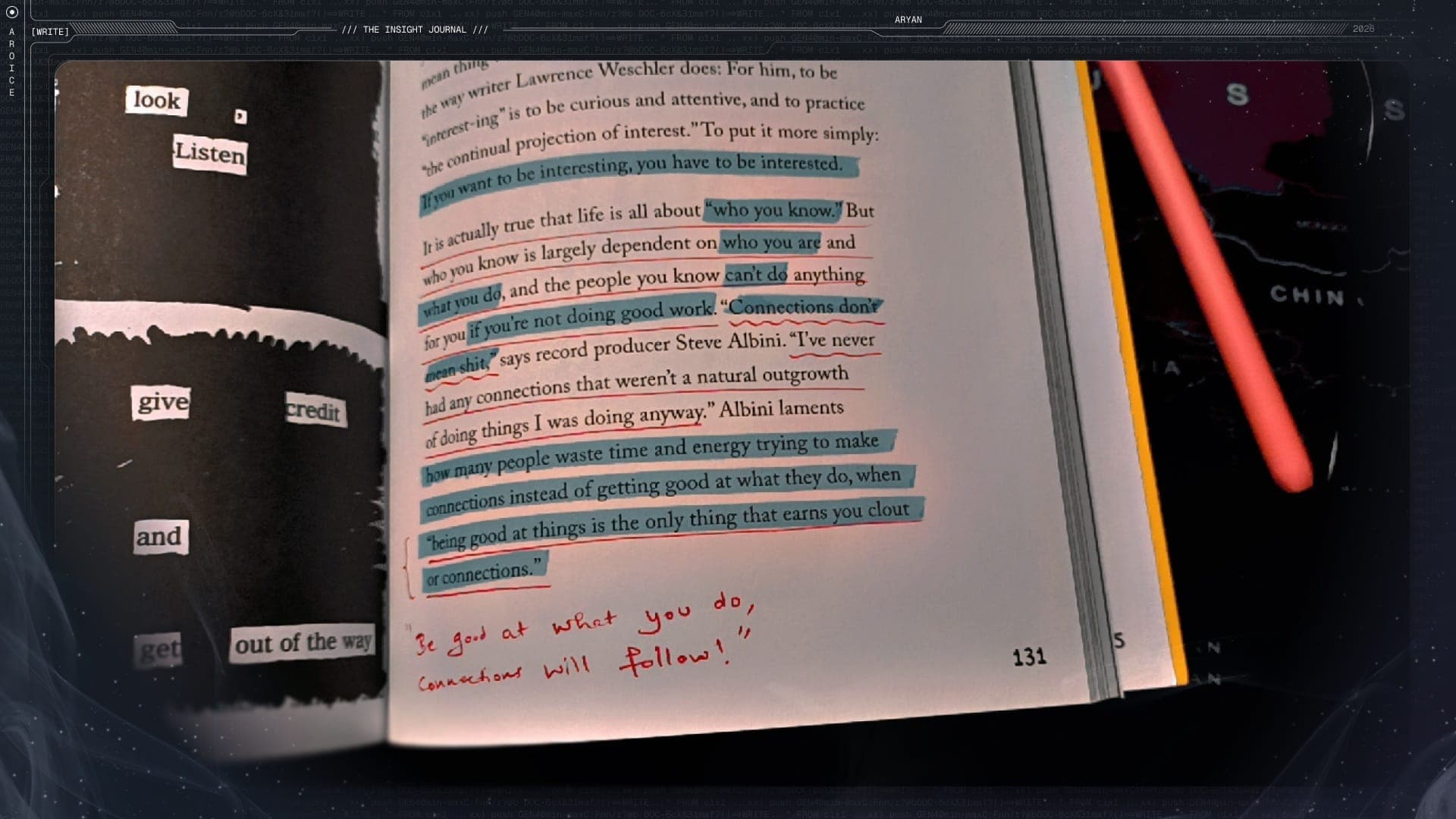
Look listen give credit and connections matter - aryantechie
But if I share the process—the thinking, the methods, the systems—that becomes an asset that grows with time. Someone might not care about Ashes. But they might care about: The Lasting Value:
  • How I approach building Chrome extensions
  • My philosophy on mortality and time
  • The design principles I use for minimal UI
  • How I think about user behavior
All of that lives beyond the specific product. All of that can influence their work in ways I can't predict. That's the butterfly effect of showing your work. 1. Sharing Work-in-Progress
I'm not waiting until things are perfect. If I'm working on something, I'm documenting it as I go. Notes. Sketches. Failed attempts. All of it.
2. Writing to Think, Not to Perform
My blog isn't a performance. It's my thinking space. Sometimes that means publishing something that's 70% formed because getting it out helps me see it clearly.
3. Teaching What I'm Learning
Every time I figure something out—a coding technique, a mental model, a productivity hack—I write about it. Not because I'm an expert, but because I just learned it and the best time to teach is right after you learn.
4. Building a Body of Work, Not Individual Hits
I'm not chasing viral posts or perfect projects. I'm stacking small contributions over time. A blog post here. A project there. Notes from a book. All of it adds up.
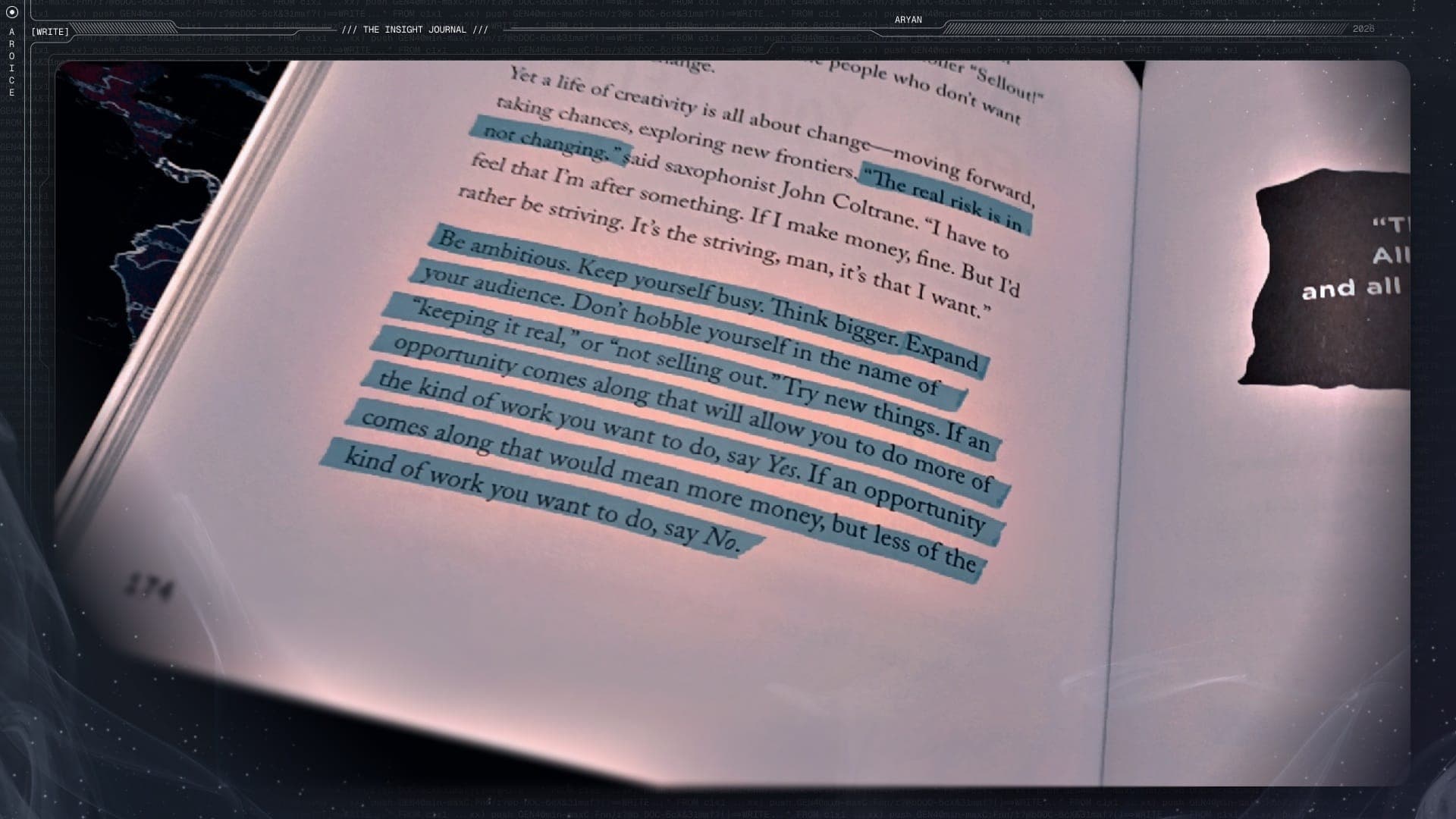
Be ambitious and expand your audience - saying yes to opportunities - aryantechie
"Show Your Work" didn't give me a new strategy. It gave me permission to trust my instincts. I was already doing most of what the book recommends. I just wasn't sure if it was "right." The book said: Yes. Keep going. This is how it works. And that confidence is worth more than any new tactic.
"Showing your work isn't about marketing or building an audience. It's about thinking clearly, learning in public, and leaving a trail that helps the next person."
The products I build might fail. The companies I start might not work out. The projects I launch might go nowhere. But the process—the thinking, the systems, the lessons—that compounds forever. And if I die tomorrow, at least there's a record of what I was trying to figure out. If you're reading this and thinking "I should share my work but I'm not ready"—you're never going to be ready. Share anyway. Write the messy blog post. Post the work-in-progress. Document what you're learning even if you're not an expert. You don't need to be a genius. You just need to be generous with what you're learning. The people who need your perspective will find you. The ones who don't can scroll past. But if you never put it out there, the people who need it will never know it exists. Simple Steps:
  • Share something small today
  • Document your process
  • Teach what you just learned
  • Leave a trail for the next person

You're already naked. You have nothing to lose. The products you build might fail. But the process—the thinking, the systems, the lessons—that compounds forever.
Share this post:

Subscribe to Aryan’s Newsletter

On The Insight Journal, I share ideas at the intersection of code, clarity, creativity, and systems.